
ACL reconstruction
Reconstruction of the torn cruciate ligament, usually with one of your own tendons. Followed by structured rehabilitation all the way back to sports.
Home / Conditions / Knee
Conditions
From an ACL tear in sports to osteoarthritis: we perform arthroscopic knee surgery, reconstruct cruciate ligaments and implant partial and total knee replacements. Whether surgery is the right path for you is something we discuss openly with you.
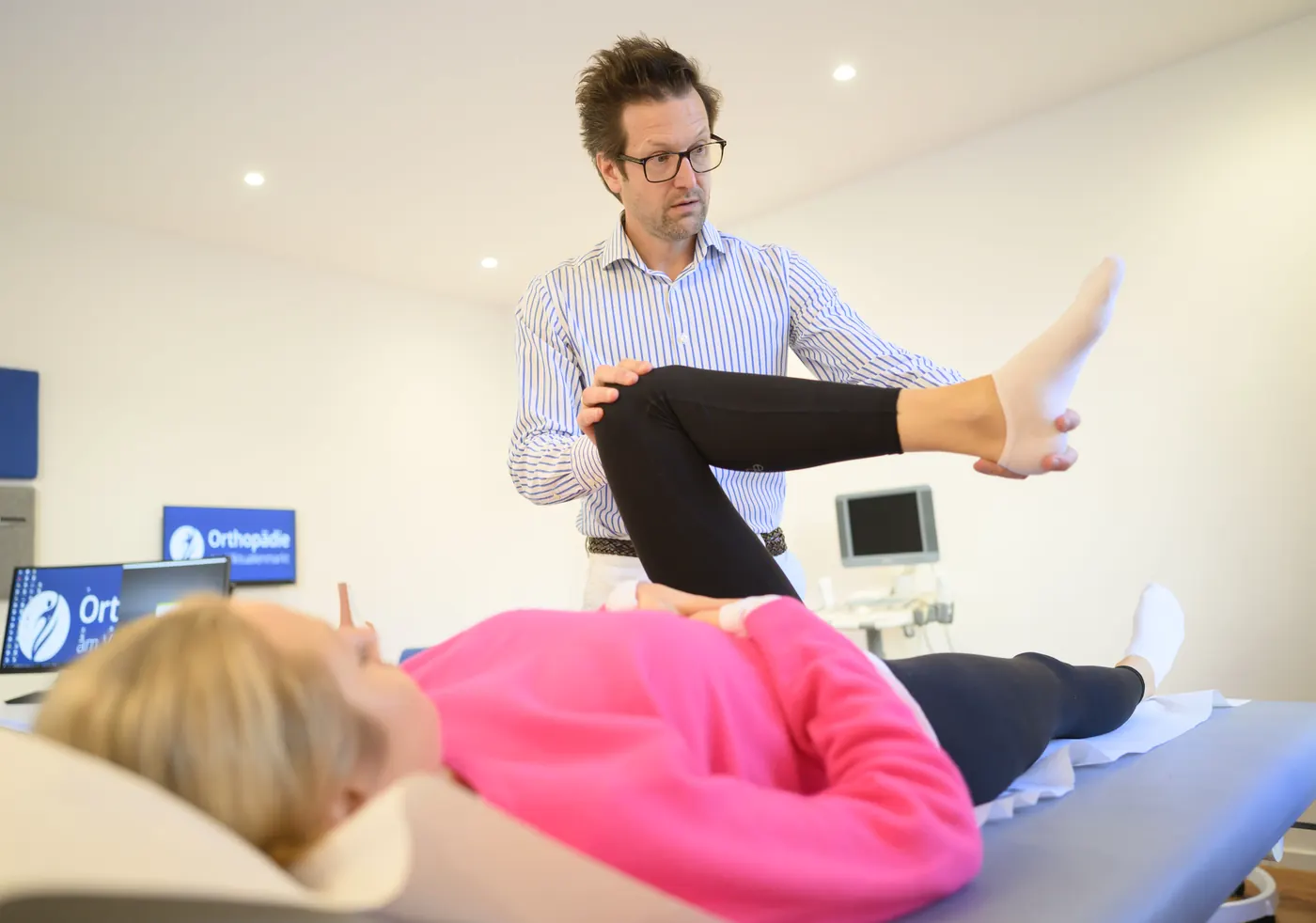
Surgery
Arthroscopy and ACL reconstruction are usually performed as outpatient procedures at the IsarAOP Zentrum, knee replacements as inpatient procedures at Klinik Josephinum. Your preliminary consultation and aftercare remain with us at the practice.
Reconstruction of the torn cruciate ligament, usually with one of your own tendons. Followed by structured rehabilitation all the way back to sports.
Keyhole surgery for meniscus tears and localized cartilage damage, up to cartilage surgery depending on size and location.
Partial or total knee replacement for advanced osteoarthritis, individually planned.
Common causes
Often after twisting the knee in sports, with swelling and the feeling that the knee gives way. We check stability and assess accompanying injuries to the meniscus and cartilage.
Typical signs are pain along the joint line, swelling or catching when bending the knee. Depending on the tear, targeted training is enough or arthroscopy makes sense.
Cartilage can be damaged by injuries or wear. We treat localized damage specifically, depending on size and location, up to cartilage surgery.
Wear of the joint cartilage with start-up pain and restricted mobility. We treat in stages, from training and injections to joint replacement.
Common in runners and young athletes, often caused by overload or the tracking of the kneecap. Targeted training is usually the main focus.
Injuries to the medial and lateral collateral ligaments often heal without surgery, with a brace and physiotherapy.
At the first appointment, we listen and examine you thoroughly. If needed, we do ultrasound, X-ray and cone beam CT directly at the practice, so you receive the findings at the same appointment.
Without surgery
Not every complaint needs surgery. Targeted therapy, which we plan and supervise with you, often helps.
Background
For everyone who wants to know the details: arthroscopy, ACL, knee replacement, aftercare and risks. What suits your case, we discuss at your appointment.
Through small incisions, usually half a centimeter to one centimeter long, we insert a camera and fine instruments into the knee. This lets us see cartilage, menisci and cruciate ligaments directly and treat them in the same procedure. The surrounding tissue is barely strained.
Arthroscopy makes sense when physiotherapy, injections or medication are not enough or when there is mechanical damage. It often helps preserve your own joint for longer.
The anterior cruciate ligament keeps the thigh and lower leg stable in relation to each other. If it tears, the knee often gives way, especially when stopping abruptly or walking downhill. People who do not play sports with quick changes of direction sometimes manage well with targeted muscle training. For athletes and in case of accompanying injuries, ACL reconstruction is usually the more sustainable solution.
Cycling is usually possible after six to eight weeks, light running after three to four months, competitive sports usually after six to nine months. Before you return to sports, we test strength and stability.
A joint replacement only becomes an option once joint-preserving approaches have been exhausted. A partial knee replacement replaces only the worn side of the joint. The cruciate ligaments and healthy cartilage are preserved, and the knee feels more natural. A total knee replacement replaces all joint surfaces and provides stability when osteoarthritis affects the entire knee.
The X-ray and the examination are decisive. Dr. Willers operates at Klinik Josephinum with an inpatient stay. Movement therapy starts on the first day after surgery, followed by rehabilitation over several weeks, either outpatient or inpatient.
Dr. Willers in an interview on knee replacement (Klinik Josephinum, May 10, 2025, PDF in German)
Whether arthroscopy, ACL reconstruction or joint replacement: aftercare plays a key role in the result. You receive a clear plan and fixed follow-up appointments from us.
With a joint replacement, we check the position and healing on an X-ray after a few months. What also helps: a balanced diet, enough sleep and a regular daily routine.
Every operation carries risks. We discuss them openly with you beforehand. Most complications can be treated well if they are detected early.
Frequently asked questions
No. Whether surgery makes sense depends on stability, accompanying injuries and your sporting goals. We discuss this together after the examination.
When localized cartilage damage causes symptoms and treatment without surgery is not enough. Which procedure is suitable depends on the size and location of the damage. We explain it to you using your images.
When osteoarthritis significantly limits your daily life and treatment without surgery is no longer enough. We check whether a partial knee replacement is sufficient or whether a total joint replacement is a better fit.
Other conditions
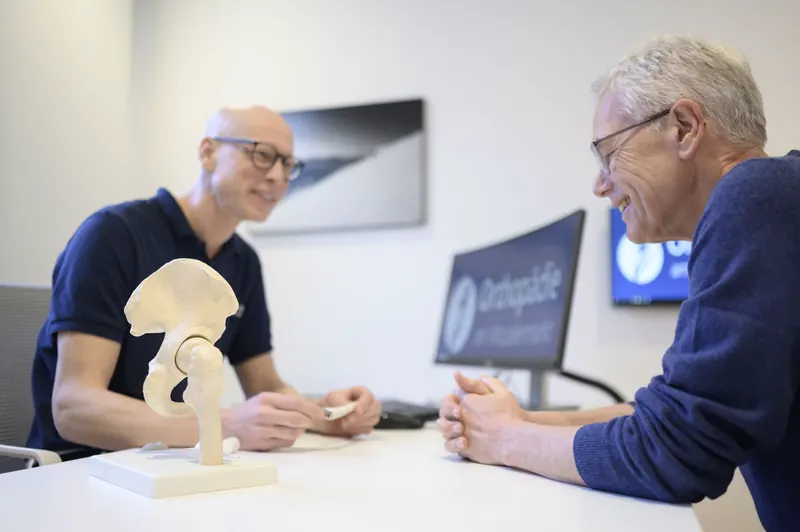
Pain in the groin, when walking or when getting up from a chair.
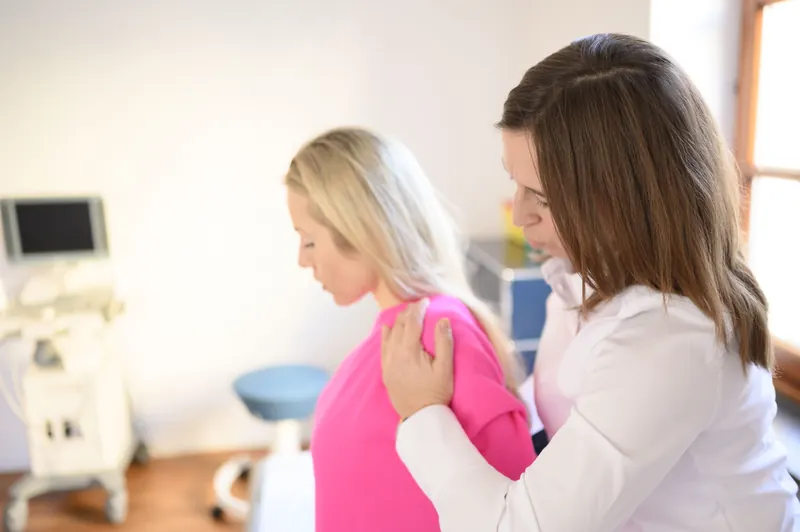
Pain when lifting your arm or at night when lying on your side.
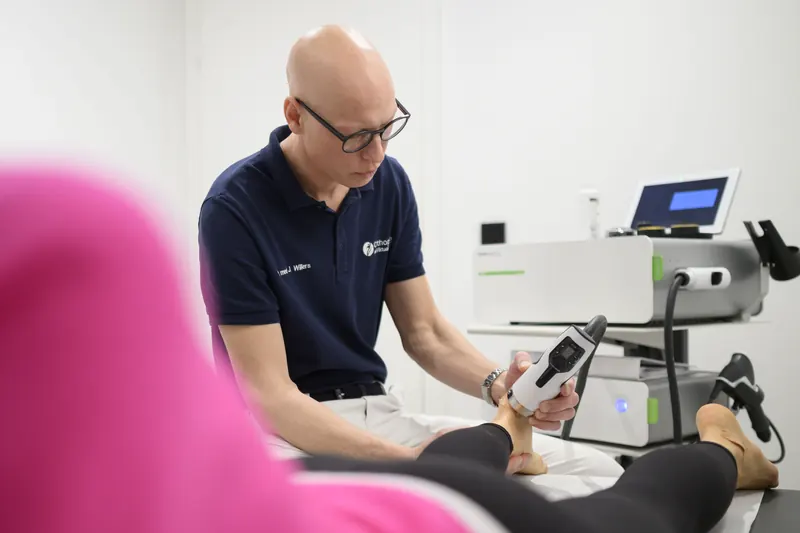
Pain in the heel, ankle or forefoot.
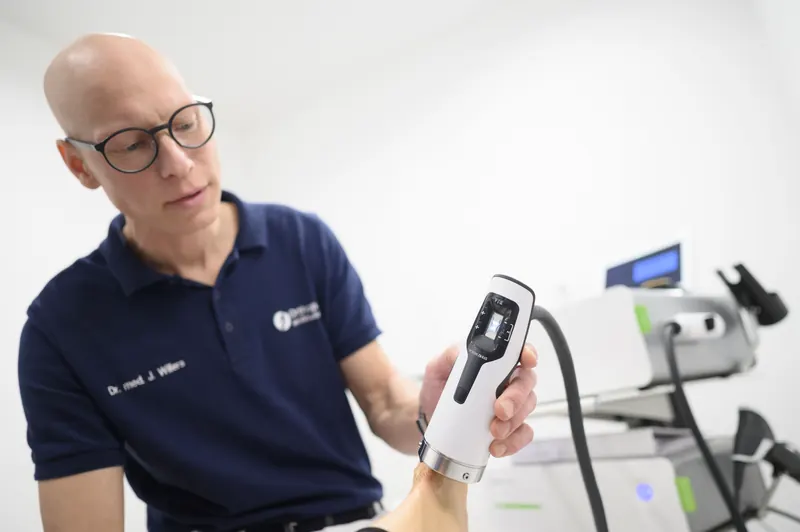
Pain when gripping, carrying or after training.
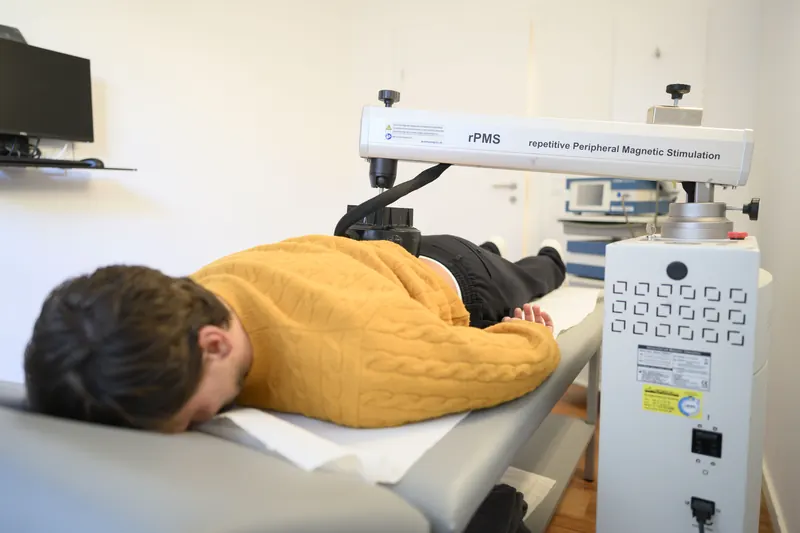
Muscle tension, lumbago or pain radiating into the leg.
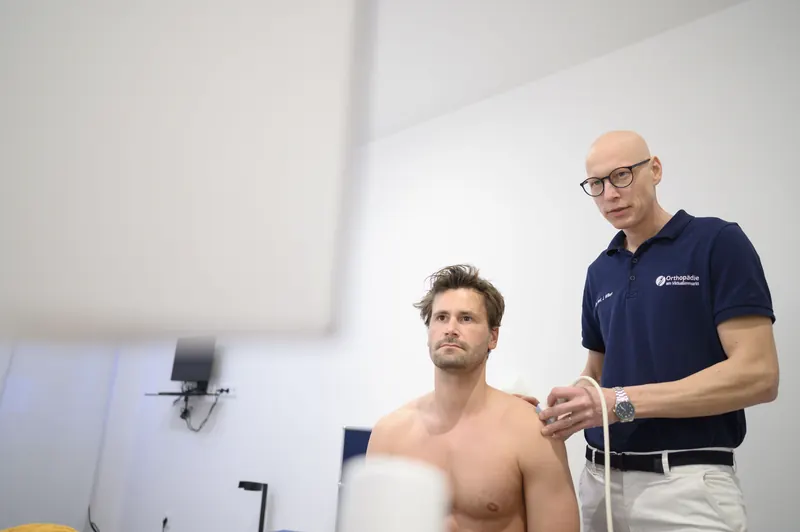
An acute injury in training or competition, or symptoms that do not go away.
| Monday | 8 am to 5 pm |
|---|---|
| Tuesday | 8 am to 6 pm |
| Wednesday | 8 am to 5 pm |
| Thursday | 8 am to 7 pm |
| Friday | 8 am to 1 pm |
| Weekend | closed |
Emergency outside opening hours: medical on-call service 116 117, in a life-threatening emergency 112